

Pine processionary
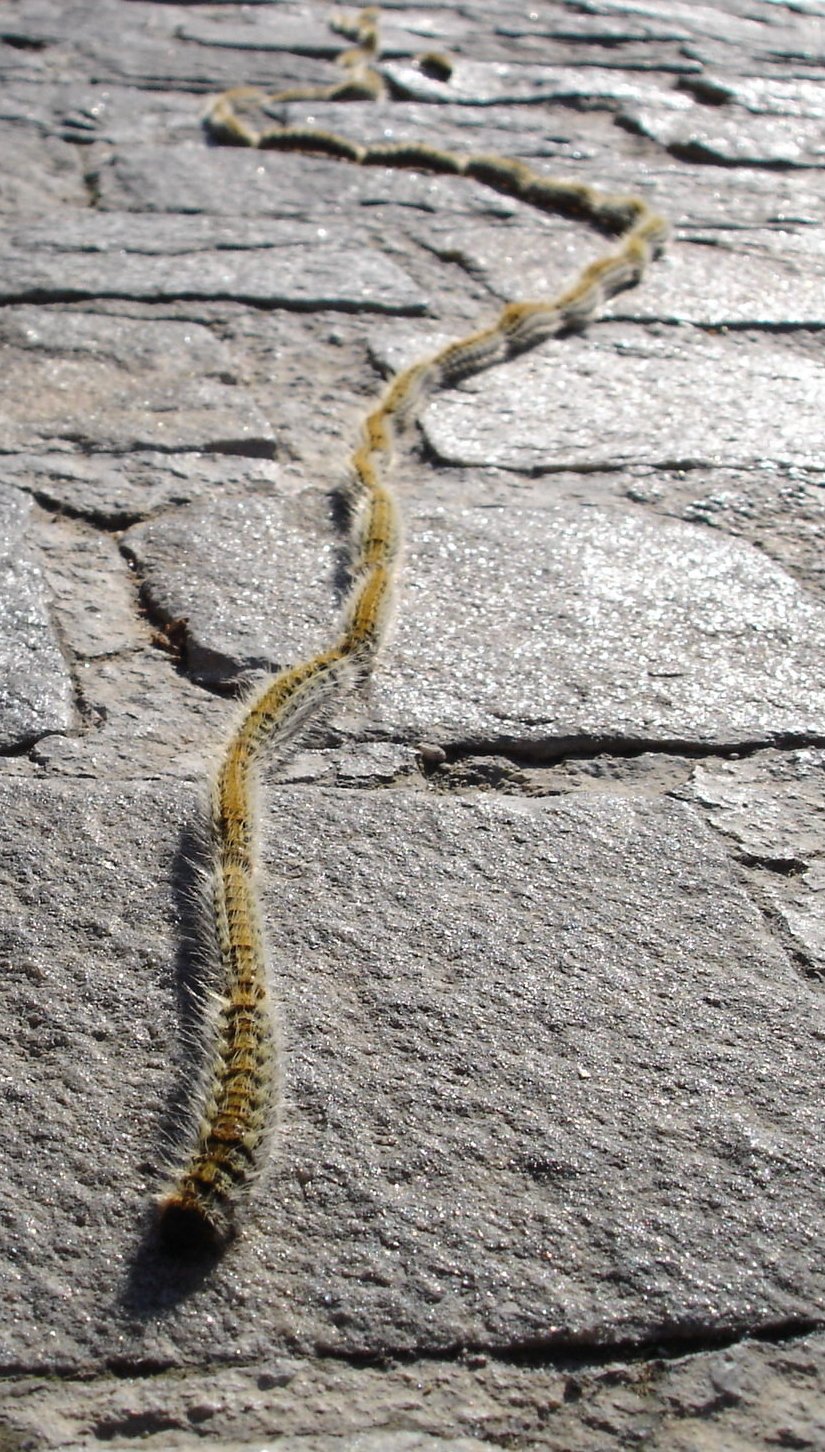
The pine processionary is a furry moth, but it is most famous for its caterpillars. They are orange-brown and hairy, and they walk through the forest in a long line, nose to tail, like a parade. Their hairs are very itchy, so they are a bug to look at but never touch.
How fast is it?
Fun facts
The caterpillars spend the winter in big silk tents high up in pine trees.
A scientist named Fabre once let the caterpillars march around the rim of a flower pot. They kept going in a circle for a week.
Even the ancient Greeks knew about its itchy caterpillars almost 2000 years ago.
Because winters are getting warmer, it is moving further north every year.
Most asked questions about Pine processionary
?Why do the caterpillars walk in a line?
Each caterpillar follows the silk trail of the one in front, so they march together nose to tail.
?What do pine processionary caterpillars eat?
They eat the needles of pine and cedar trees.
For bug experts
- Scientific name
- Thaumetopoea pityocampa
- Named by
- Denis & Schiffermüller, 1775
- Group
- Moths
- Family
- Notodontidae
- Classification
- Insecta > Lepidoptera > Notodontidae
- Lives on
- Europe, Africa, Asia
Where the facts come from
- Pine processionary (Wikipedia, CC BY-SA 4.0): what it looks like, where it lives, what it eats, sizes and fun facts, retold in simple words.
- Picture by unknown author. Public domain, Wikimedia Commons. The round sticker of this bug is cut from the same picture.
If we got something wrong, sorry, we are bug fans, not a science journal. Tell us at [email protected] and we will fix it.
 Atlas moth
 Luna moth
 Hummingbird hawk-moth
 Domestic silk moth
 Isabella tiger moth
 Polyphemus moth
 Southern devil scorpion
 Black beauty stick insect
 Sparklemuffin
 Rosalia longicorn
 Pacific dampwood termite
 Rocky Mountain wood tick